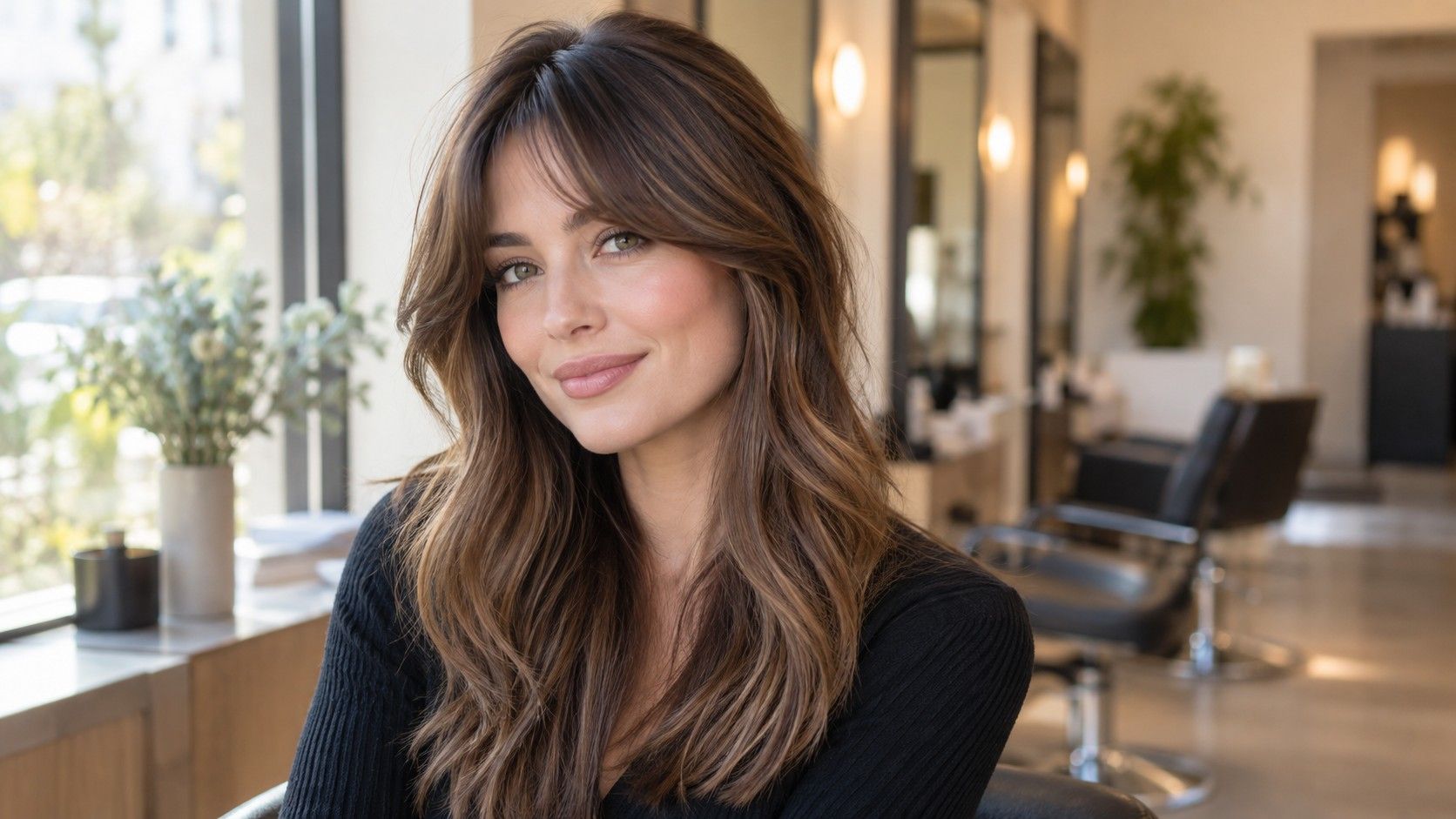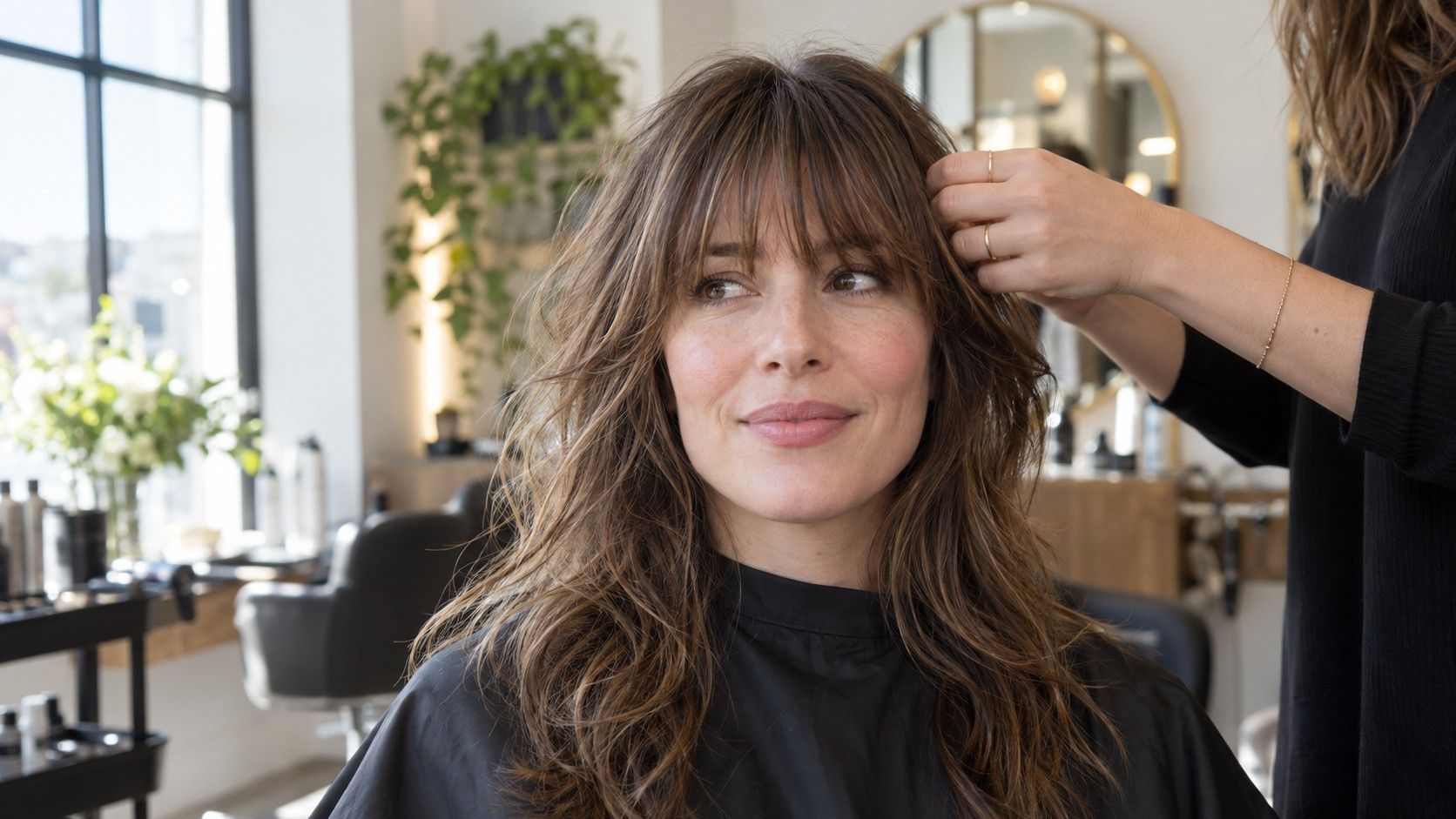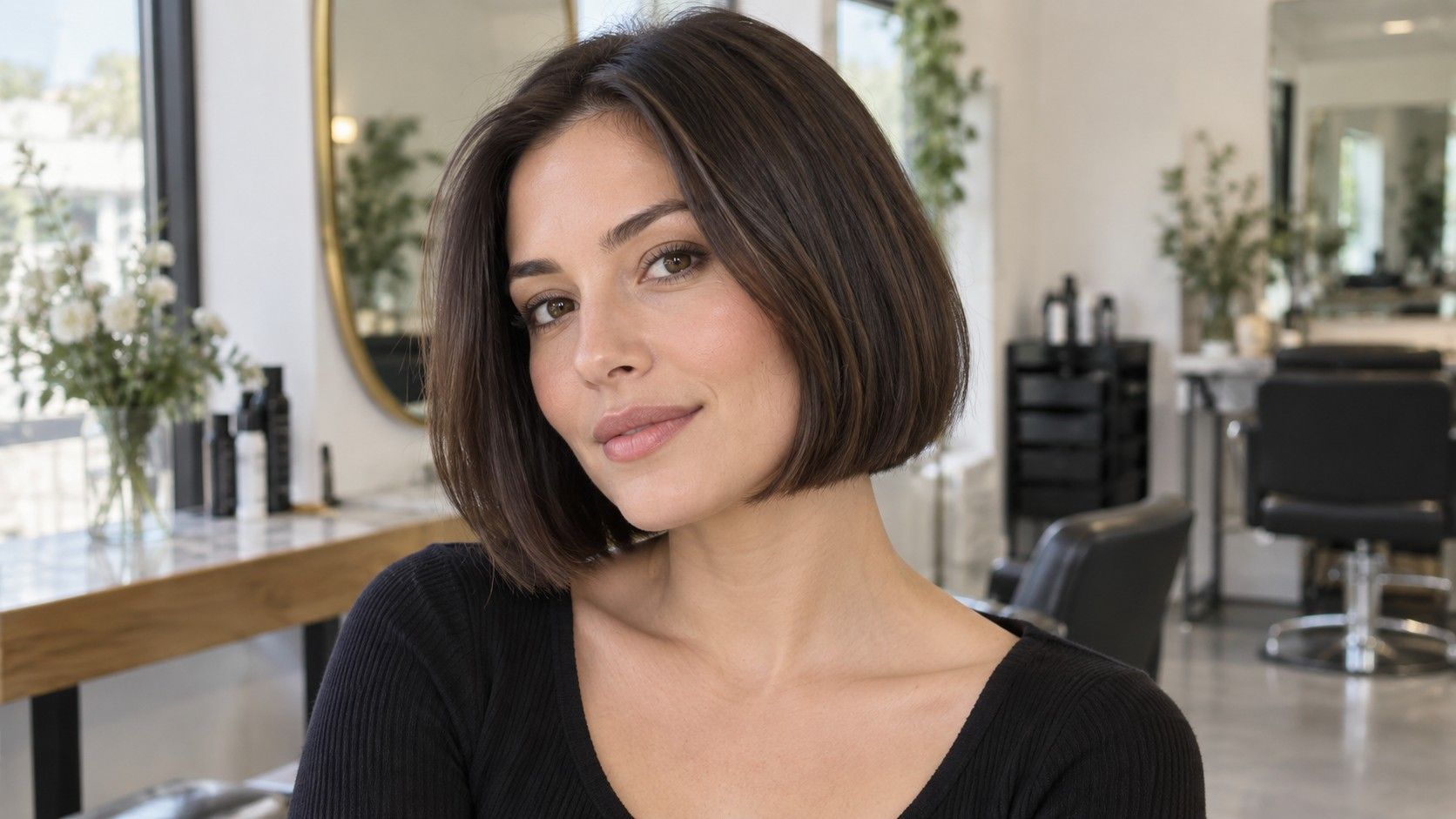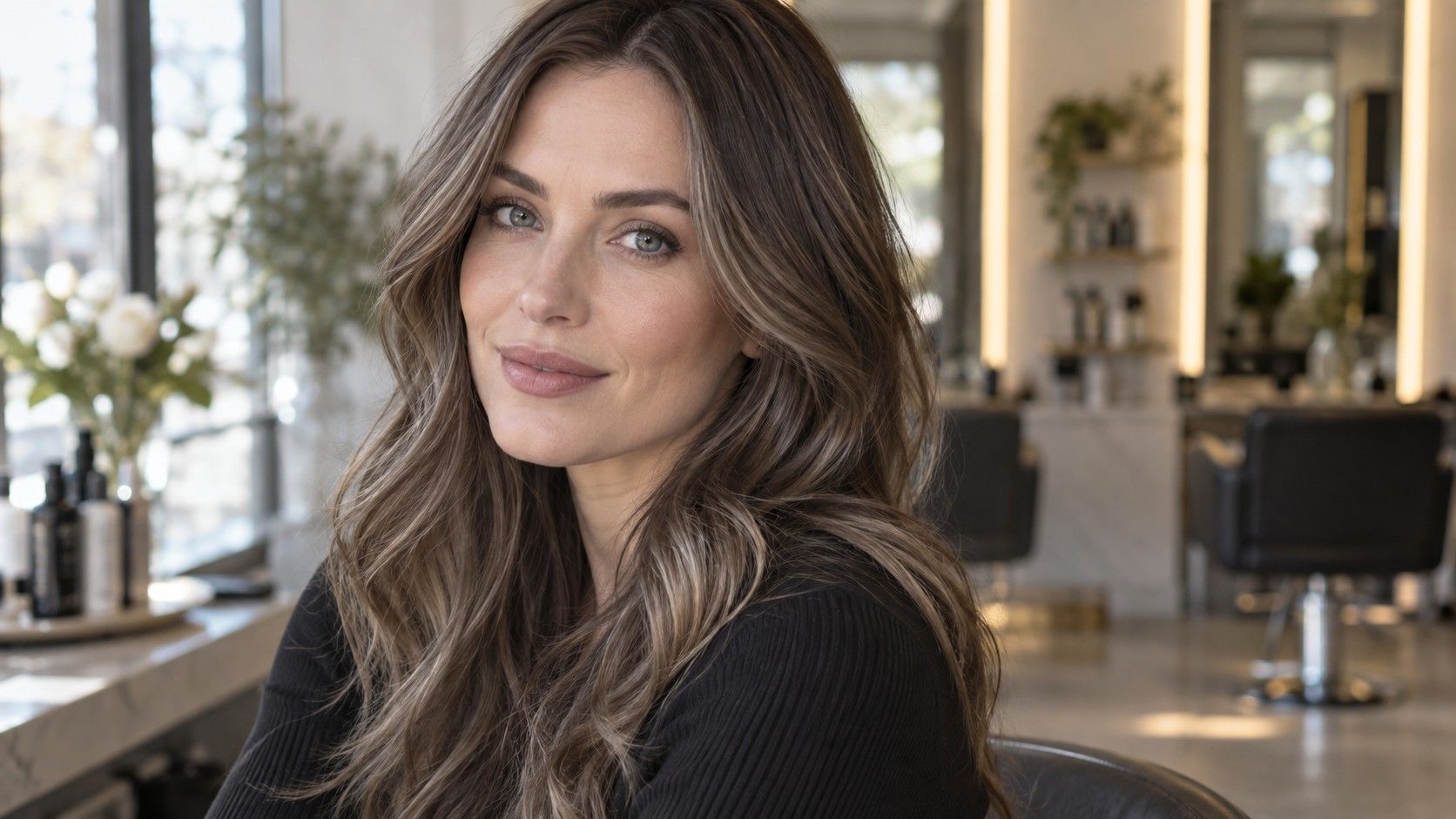
Grey eyes are often described as changeable, which is true but not especially useful when you are sitting under hard salon lights with a cape on. The better question is what makes your particular grey look awake rather than washed out. I have seen the same eye colour look blue beside ash brown, silver beside beige blonde, and almost green next to copper. A good grey eyes hair color choice is less about finding one magic swatch and more about controlling warmth, depth, and the contrast around the face.
Read the grey you actually have before choosing a tube number
Look at your eyes in daylight near a window, without a phone filter and preferably in a plain white T-shirt. Some grey eyes carry a blue rim, some have a green or amber starburst near the pupil, and some are a soft graphite that reads cooler in every setting. Those details matter more than the label on an inspiration photo. A blue-grey eye usually tolerates smoky brunette or pearl blonde beautifully; an eye with warm flecks can take a little honey or copper without looking like it belongs to somebody else.
Bring two photos to the mirror: one in daylight and one in the bathroom where you get ready. If the eyes disappear in the indoor photo, the proposed shade may be too close in depth to your lashes and brows. This is a small test, but it prevents the familiar disappointment of loving a colour outside the salon and finding it flat on an ordinary Tuesday morning.
Choose warmth deliberately, especially with fair skin
The best hair color for grey eyes and fair skin is not automatically ash blonde. Very pale, pink, or cool skin can look elegant with ash, but a solid pale ash can also make the complexion look drained when winter light is weak. Beige blonde, soft champagne, and a muted wheat tone give a similar calm effect with a little more softness. Ask for a beige base and fine cooler ribbons rather than a uniformly icy result; the difference is often visible only after the first wash, when the salon gloss settles.
Warmth can be useful when it is narrow and intentional. A few honey pieces around a grey-green eye can make the iris look clearer. Full orange-gold blonde is harder to live with if your natural brow is dark or your skin flushes easily. I would compare swatches against the face, not only against the eye: the wrong warmth announces itself at the nose and jaw before it damages the eye colour.
Match the depth to your natural contrast
Depth is the part people skip while debating cool brown versus blonde. If you have dark lashes, defined brows, and grey eyes, medium cool brown can make the eyes look almost metallic because there is enough framing. If your lashes and brows are light, an inky brunette may be more costume than contrast. A level around medium brown, with a soft root and slightly lighter ends, usually gives the eye definition without turning the face into a high-contrast graphic.
| Starting contrast | Useful direction | Watch for |
|---|---|---|
| Light brows and fair skin | Beige blonde or soft light brown | Solid platinum that erases facial definition |
| Medium brows and blue-grey eyes | Cool brown with fine neutral highlights | Flat one-process brown |
| Dark brows and clear grey eyes | Espresso, mushroom brown, or deep beige | Black dye that overwhelms the iris |
| Warm flecks in the iris | Muted copper or honeyed brunette | Bright orange placed all over |
A useful salon question is: where should the deepest part sit? A shadowed root can make grown-out colour easier, while a dark face frame can make grey eyes look sharper. These are different effects. Asking for both by accident is how a delicate blonde appointment becomes much darker than expected.
Use blonde for softness, not as a default answer
Soft blonde is popular with grey eyes because it lets their subtle shifts stay visible. The most believable versions are rarely one colour. Think of beige at the crown, a quieter pearl near the temples, and a slightly deeper root that matches your eyebrows. The face stays dimensional in daylight, and the eye does not have to compete with a block of yellow or white.
If your previous colour is dark, the route to blonde matters more than the final Pinterest label. One long appointment can leave the hair porous and make toner grab unevenly, producing dull grey-green patches rather than a clean blonde. A staged lift, regular trim, and a realistic root plan are not exciting details, but they decide whether the shade still suits you after six weeks. Grey eyes do not need a fragile colour to look striking.
Cool brown, copper, and red each make a different promise
Cool brown is the safest answer when you want the eyes to look silvery and polished. Mushroom brown, taupe brunette, and a neutral mocha can all work, especially when the colourist leaves a little movement through the mids. Avoid an overly green ash formula if your skin has olive or yellow notes; it can pull the face grey before it makes the eyes grey.
Copper is more interesting than the usual rulebook suggests. A softened cinnamon or strawberry copper can make grey eyes with a blue edge appear brighter, and it can wake up fair skin that looks tired beside ash. The caveat is maintenance: red molecules fade, and faded copper is often less flattering than deliberate copper. Ask to see the colour after several washes, not just fresh under ring lights, and use a gloss plan you can actually keep.
Test the shade before committing to a full appointment
A face-frame test, a demi-permanent gloss, or even a small section near the temple gives better information than ten saved images. Wear the test colour through a workday, stand by a car window, and look at it after your usual makeup routine. Grey eyes shift with weather and lighting; that is their charm, but it makes a single salon mirror a poor judge.
Tell the stylist what you do not want as clearly as what you want: no yellow at the hairline, no black-brown root, no red that fades peach, or no upkeep every four weeks. The best hair color for grey eyes is the one that gives the iris a little definition while remaining credible with your natural brows, budget, and patience. That last part is unglamorous, but it is usually where a good colour decision survives.