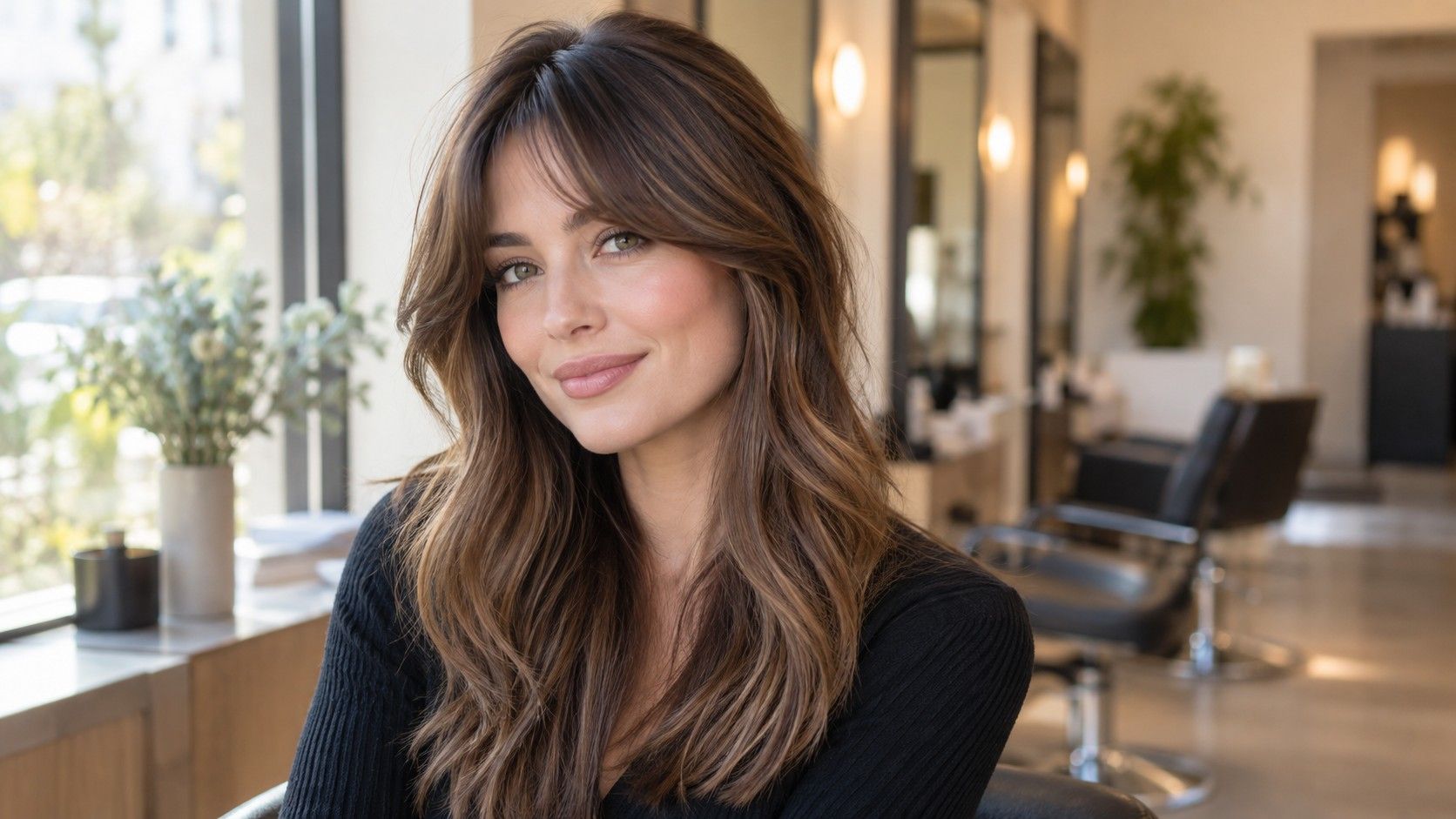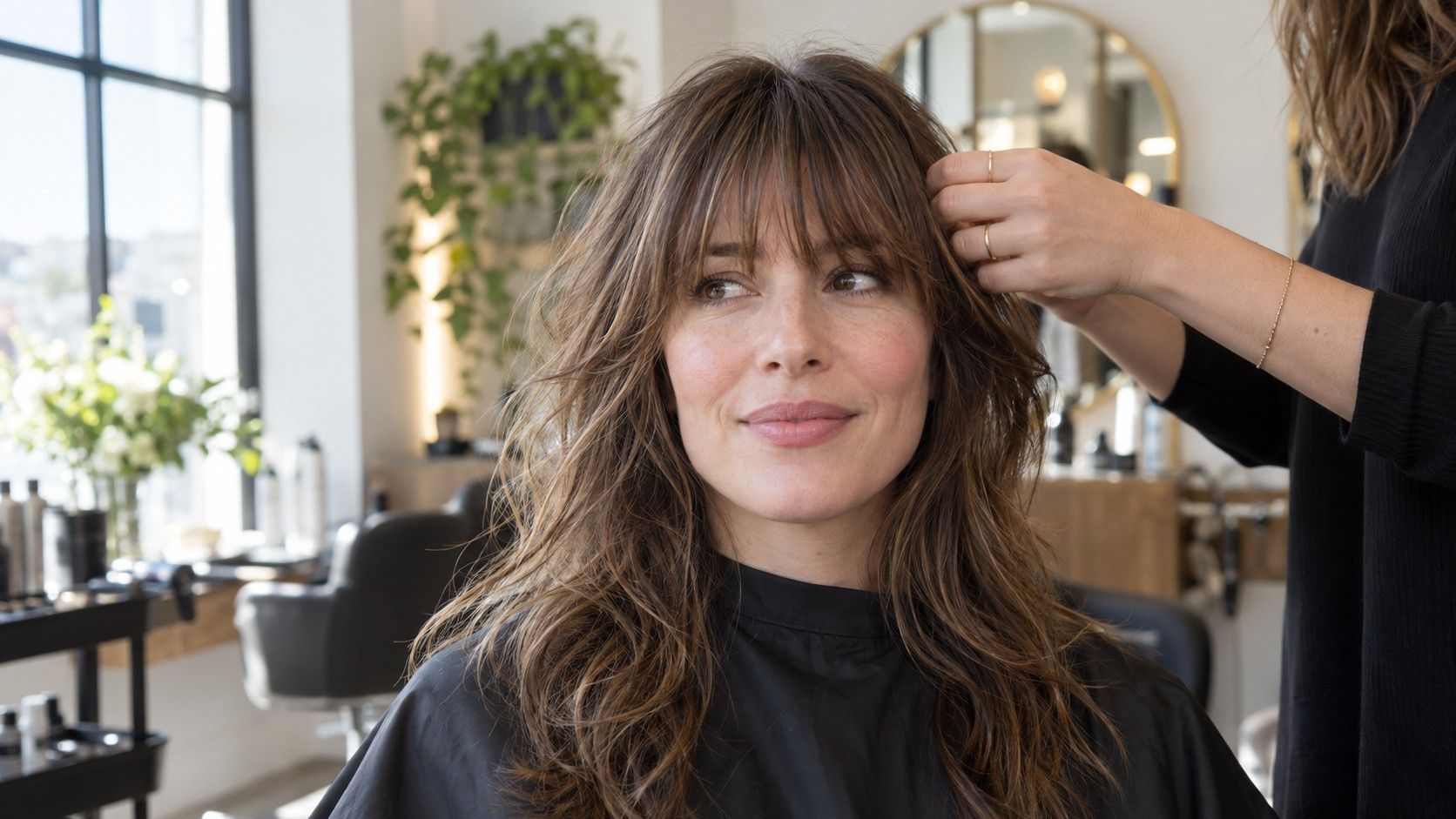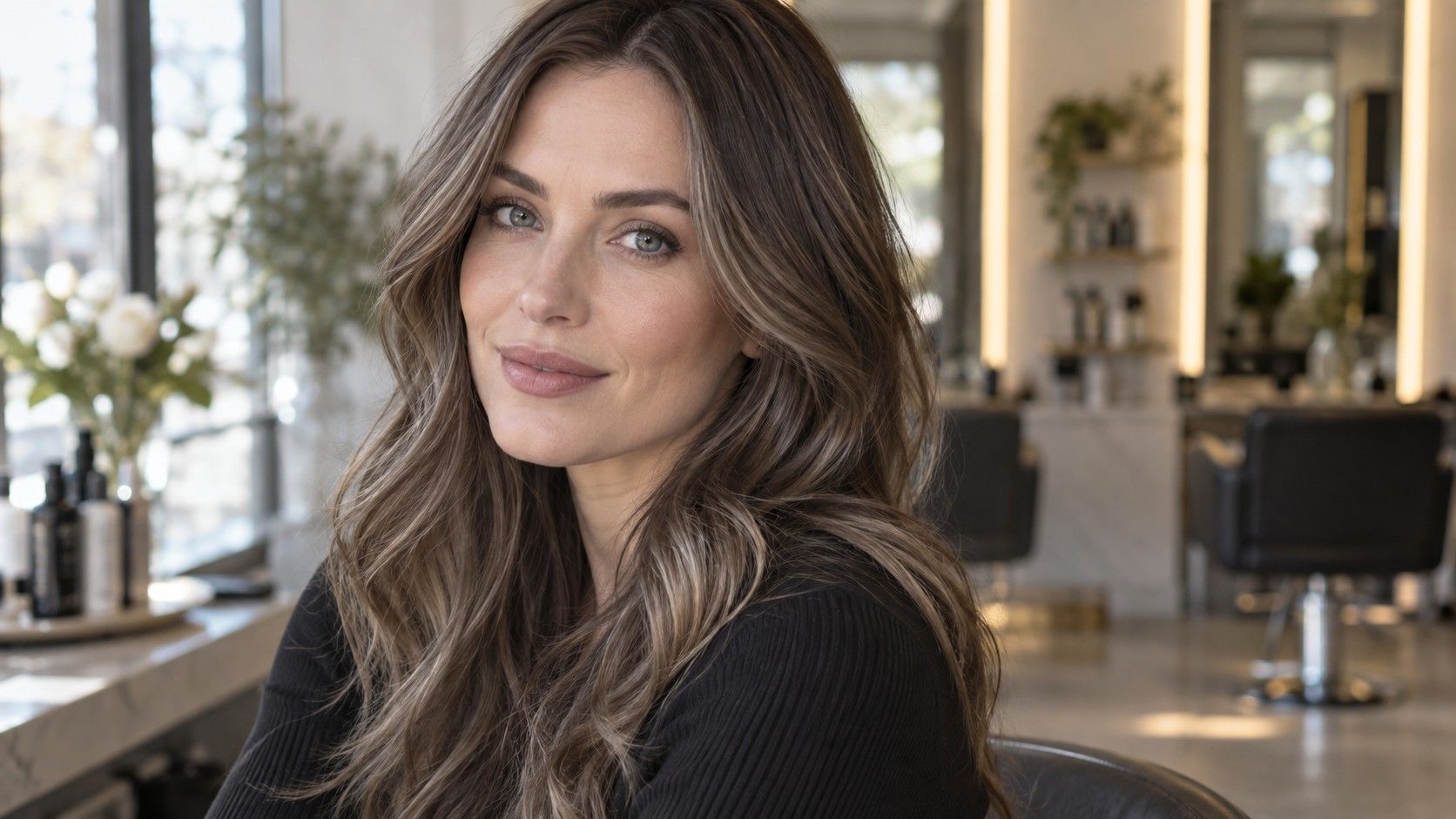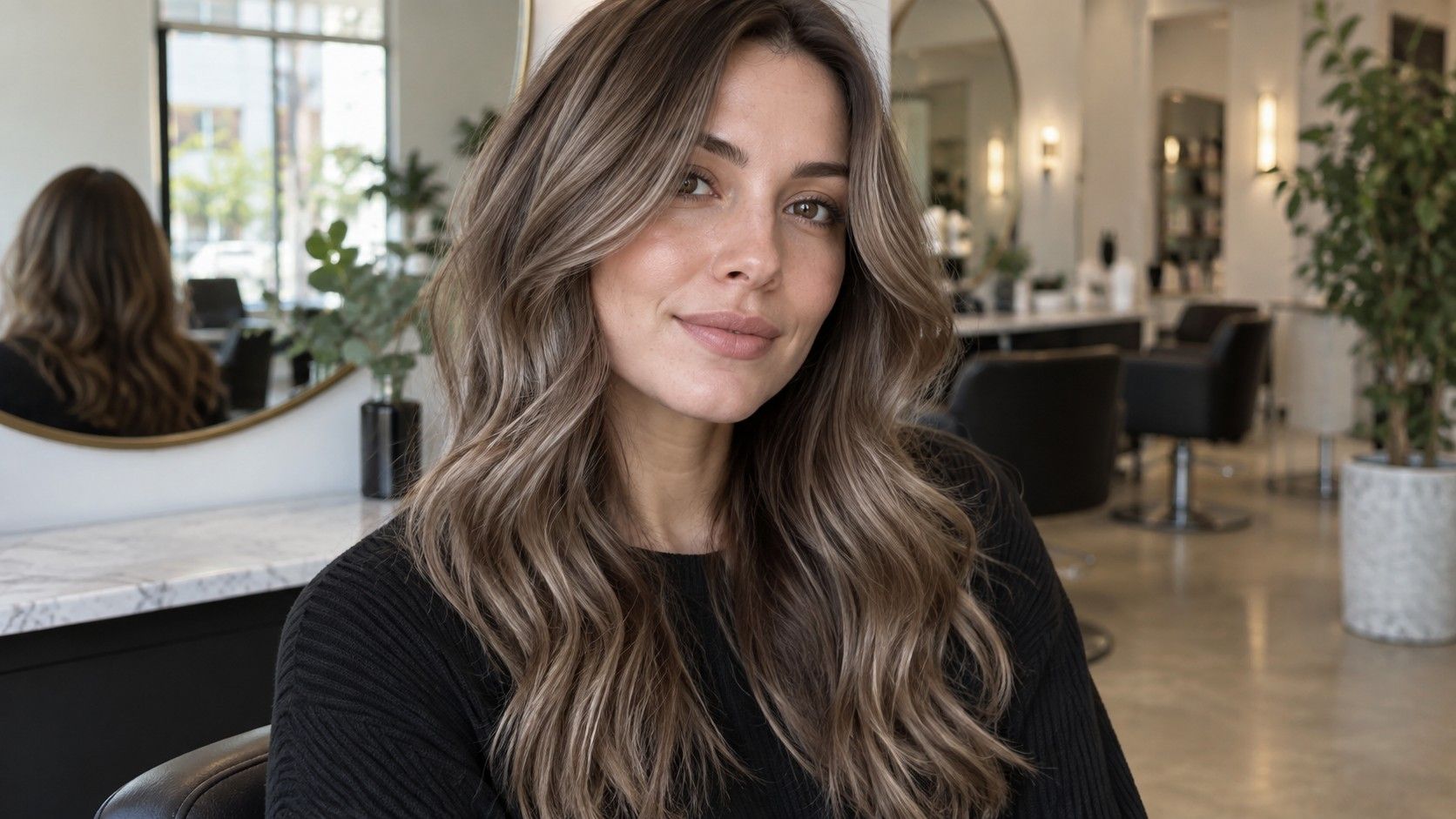
Neutral undertones sound like freedom: warm and cool colours are supposedly all available. In a salon chair, that freedom can turn into a muddy compromise very quickly. A neutral complexion can wear a broad range, but it still has a depth, a level of natural contrast, and a tendency to look either brighter or quieter beside certain colours. The goal when choosing hair color for neutral skin tone is not to prove a category; it is to leave the face looking clear in normal light.
Confirm neutral undertone without turning it into a verdict
Start with a few ordinary observations rather than a wrist-vein test. If both silver and gold jewellery are plausible, if ivory and soft white are each fine but neither is miraculous, and if your skin can look slightly peach one day and slightly olive the next, neutral may be a useful working description. It is not a permanent diagnosis. Sun exposure, self-tanner, redness, and foundation can change what you see in the mirror.
Take a bare-faced photo beside a warm cream wall and another beside a cool grey wall. Notice whether one background makes under-eye shadows or redness louder. That result is more useful than someone declaring you warm, cool, or neutral from a single selfie. At the consultation, tell the colourist which colours have made you look sallow or pink before; a negative history often narrows the choice faster than a colour-season chart.
Use depth before temperature when the options feel endless
Skin depth and your natural brow colour usually set the first boundary. A light neutral complexion with pale brows can be overwhelmed by saturated espresso, even when the undertone is technically compatible. A medium or deep neutral complexion may look much more alive with espresso, black cherry, or rich chocolate than with a blonde chosen simply because it is trendy. The best hair color for neutral undertone tends to echo the amount of contrast already present in the face.
Hold a dark towel and a light towel beneath your chin in daylight. This is not a scientific test, but it reveals whether your features wake up with depth or disappear into it. Then choose temperature inside that range. A neutral person who looks best in medium depth can choose mushroom brown, cocoa, chestnut, or muted copper; choosing level five before debating ash versus gold keeps the decision grounded.
| What you see in daylight | A sensible starting shade | Useful adjustment |
|---|---|---|
| Light skin, low brow contrast | Beige blonde or light neutral brown | Keep a soft root for definition |
| Medium skin, balanced contrast | Mushroom brown or cocoa brunette | Add ribbons, not heavy stripes |
| Deep skin, dark brows | Rich brunette, cherry, or warm black | Place lightness near the face if wanted |
| Skin looks dull beside ash | Neutral beige or soft gold | Avoid turning the whole head orange |
Build dimension into blonde instead of chasing one perfect beige
Beige blonde is often recommended for neutral undertones because it sits between yellow-gold and blue-violet. The useful version has dimension. A slightly deeper root, fine lowlights, and a few brighter pieces around the face make it look intentional as it grows. A single all-over beige can be lovely on day one and strangely blank by week four, especially if the hair is naturally fine.
Ask the colourist to describe the formula in plain language: is the brightness at the hairline, through the ends, or everywhere? Is the root deliberately deeper? The answers predict the upkeep. If you do not want a six-week appointment, choose blended highlights and a gloss rather than a sharp full highlight. The colour should still make sense once the toner is less fresh and your own root has appeared.
Brown shades are flexible, but flat brown is still flat
Mushroom brown gets mentioned often because it can hold a little coolness without becoming blue-grey. It is a good option when you want polish and your wardrobe contains both camel and charcoal. But it needs depth variation: a translucent gloss, subtle lowlights, or a face frame one level lighter. Otherwise the neutral quality can become a dull veil over the face.
Cocoa, chestnut, and neutral mocha are friendlier choices when you dislike ash. They give a similar balanced result but catch warm indoor light better. Be careful with the word “natural” at a consultation. Some stylists use it to mean a low-contrast, single-process shade; others mean a multi-tonal brunette. A reference photo taken outdoors and a request for visible movement around the cheekbones make the intention clearer.
Bring warmth in small doses if you are curious about red
Soft copper can work beautifully on neutral undertones because it adds life without requiring neon brightness. Cinnamon, apricot-brown, and muted auburn are easier places to start than a full vivid copper. Look at your natural lip colour and brow depth: if they are gentle, a very saturated red may arrive before your features do. A few warm panels or a copper gloss can answer the question with far less commitment.
Red has a practical cost. It fades, especially from porous ends, and the faded version can lean peach or brown depending on the base. Ask how often a gloss is needed and whether the colour will stain a light blonde base. The prettiest shade in the appointment book is not necessarily the best choice if you prefer washing daily and visiting twice a year.
Bring reference photos that show the decision, not just the colour
Choose three images: one for depth, one for warmth, and one for placement. A photo can have the exact beige blonde you like but a completely different skin depth and brow colour. Separating those pieces lets the stylist translate rather than copy. Include one disliked example too, with a short reason such as “too yellow at the front” or “too dark at the root.”
Check the finished hair by a window before leaving, then take a photo in the daylight outside the salon. Neutral undertone hair has range, not immunity from bad colour. When depth, dimension, and your maintenance habits agree, the result tends to look easy rather than merely acceptable under flattering lights.