Forecasting hair color is a little like forecasting the contents of everyone’s closet: useful for spotting a direction, unreliable as a promise. The 2027 hair color trends worth watching are less about one mandatory shade than about a shift toward color that still looks intentional when the root appears, the toner fades, and the owner has a normal schedule.
Read a forecast as a menu, not an order
Trend images usually show hair at its most cooperative: freshly toned, carefully lit, and styled by someone who knows where every reflective strand sits. Use them to name a feeling—warmer, softer, higher contrast, less obvious—not to demand an identical formula.
At a consultation, separate the part you want from the part you can maintain. You may love a glossy copper surface but only want to visit every ten weeks; those are different decisions, and a copper glaze over a natural base may be the honest middle ground.
A good choice survives a change of lighting. Check the idea in shade, near a window, and against the colors you wear most. Hair color 2027 women will actually keep is unlikely to be the one that works only beside the salon’s ring light.
Look for warmth with restraint in brunette
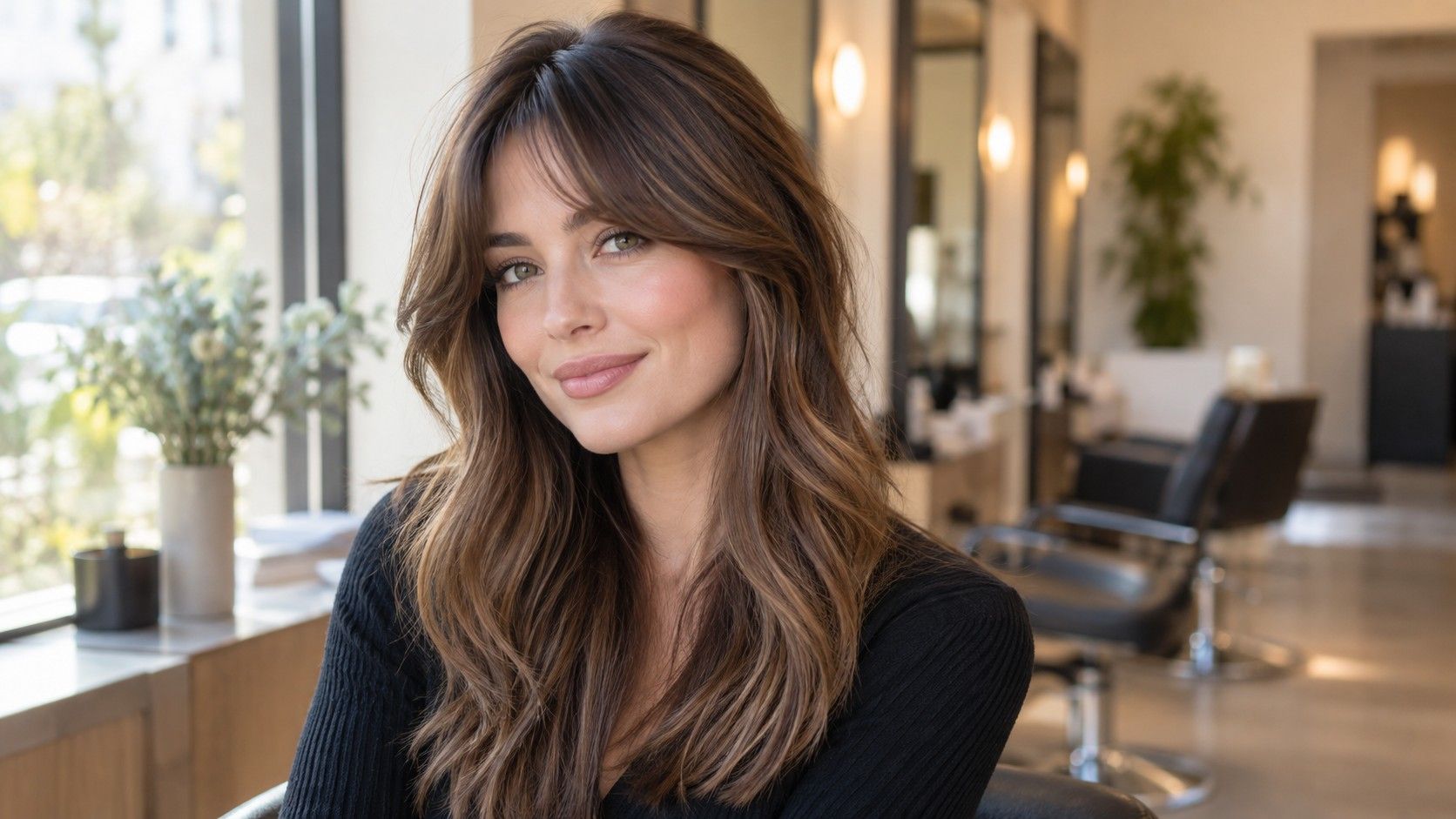
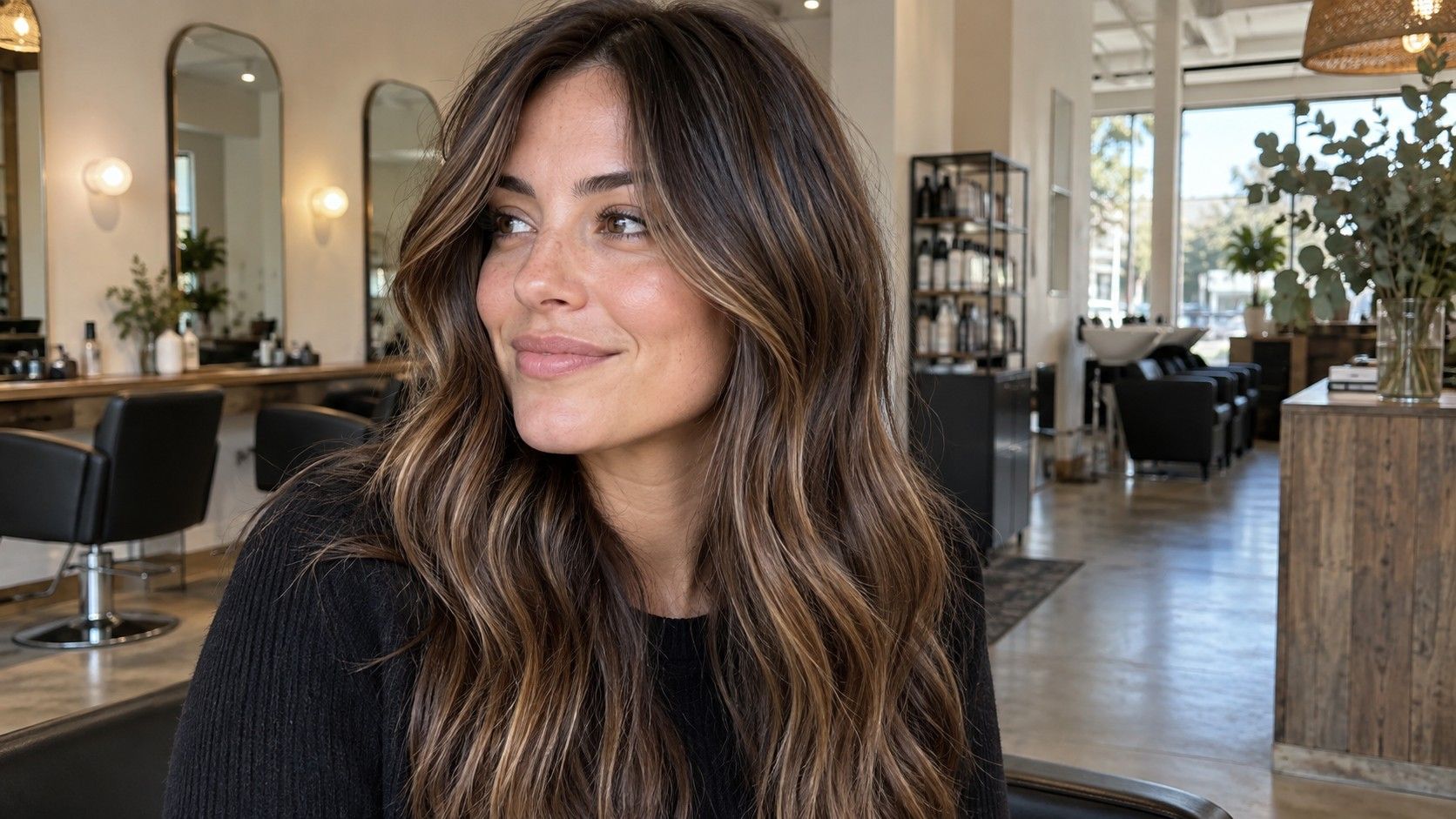
Warm brunette is likely to remain attractive because it has depth without requiring a full lift, but “warm” need not mean orange. Think cocoa, chestnut, toasted walnut, or a brown with a faint amber reflection when it catches sun rather than a loud stripe through the middle.
A few painted pieces near the face can do more than a dense balayage. Ask for the lightest area to be placed where you normally part the hair, then leave the underside quieter; that makes the result look dimensional even on a hurried ponytail day.
The warning sign is a color plan that relies on repeated high lift just to keep the first result bright. If the existing ends are fragile, a rich gloss and carefully placed lowlights can give the fashionable depth without turning maintenance into repair work.
Choose blonde with a believable root
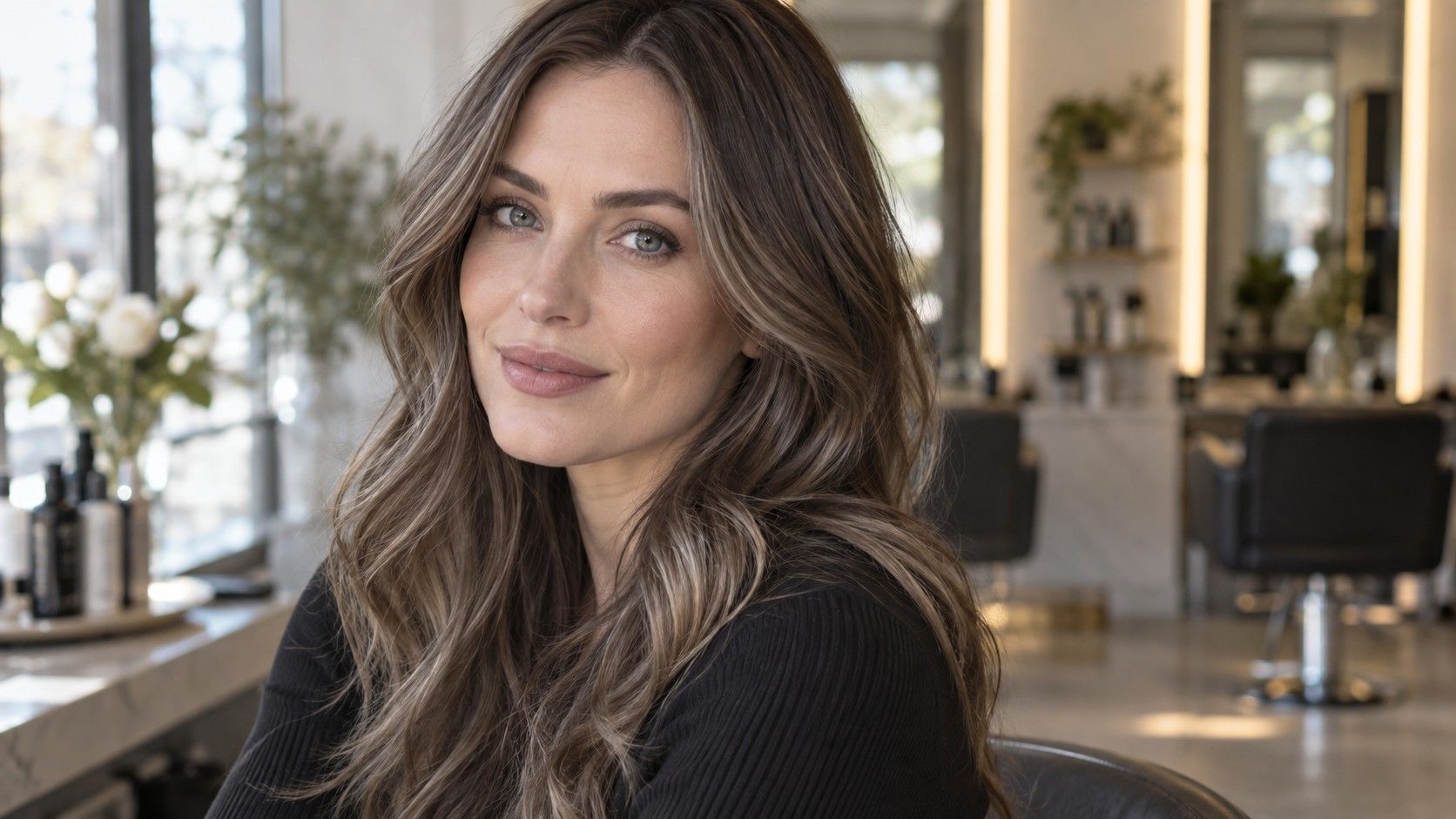
Lived-in blonde remains useful not because it is lazy, but because a little root shadow gives pale pieces context. Soft beige, wheat, and restrained pearl tones can look current without the frozen, all-over finish that reveals every week of regrowth.
Ask where the brightness will sit when you wear your natural part. A face frame that starts too high can look striped after a few shampoos, while blended micro-highlights let you delay the next appointment without looking as though you abandoned the plan.
Toner is part of the service, not a footnote. Blonde that begins neutral can turn yellow, violet, or dull depending on water and porosity, so choose a tone you will still like when it softens. The palest possible version is rarely the most durable version.
Use copper and vivid notes in smaller doses
Copper has a strong pull in trend coverage because it photographs beautifully, yet it asks for more attention than many brunettes expect. A cinnamon gloss, coppery face frame, or warm strawberry veil can offer the same energy without turning every faded wash into a problem.
Look at your natural base before deciding. On dark hair, lifting to bright copper may expose warmth that needs constant refining; on a lighter base, a soft copper deposit can be a lower-risk seasonal change. The route matters more than the final swatch.
Keep a future exit in mind. A colorist should be able to explain whether the shade will fade warmer, softer, or patchier, and what the next appointment would involve. That is the difference between enjoying a direction and being trapped by it.
A quick comparison before you commit
| Direction | Why it feels wearable | Maintenance reality |
|---|---|---|
| Soft warm brunette | Depth without a full lightening service | Glosses keep reflection fresh |
| Lived-in blonde | Root shadow eases regrowth | Toner still changes over time |
| Copper accents | Strong color in a smaller commitment | Red warmth fades quickest |
Make the decision easier before the appointment
Save two or three images that show the same idea on different days, then add one unfiltered picture of your own hair color situation. Write down what you want to avoid as clearly as what you want to gain: too much upkeep, a harsh line, obvious fading, a shape that needs heat every morning, or a result that feels unlike your usual self. That small preparation gives the consultation something real to work with.
It also helps to describe the last result that disappointed you. Was the problem the first week, the third wash, the regrowth, the way it sat at the side, or the extra time it asked of you? A stylist can adjust placement, texture, tone, weight, or finish when they know the actual failure point. Without that detail, people often repeat the same choice with a new name and are surprised by the same outcome.
Give yourself permission to choose the quieter version first. A hair color trends 2027 direction can be strengthened later with another gloss, more contrast, a shorter line, or a slightly fuller front; undoing a too-dark color, too-short fringe, or over-lightened length is slower. The best plan leaves a little room for the hair to answer back after you have lived with it for a week.
Check the result in ordinary light
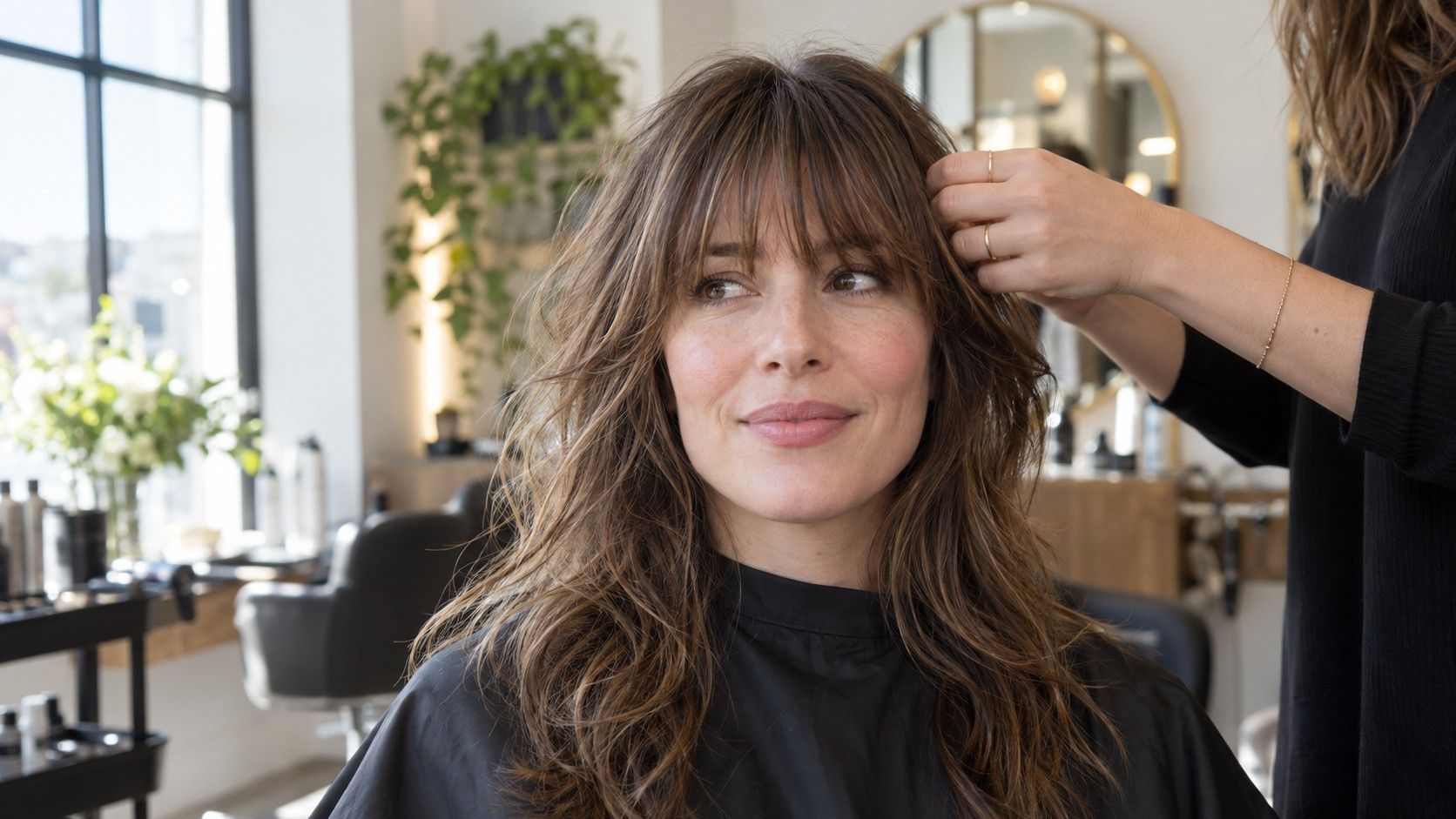
Before you leave, step close to a window if the salon has one, take a front and side photo, and move the hair the way you normally do. Look at the parting, hairline, ends, and the places that touch your glasses, collar, or cheeks. Fresh blow-drying can hide a heavy line, a pale stripe, or a fringe that sits too high; a quick reality check makes a small adjustment possible while the appointment is still in progress.
Then let the result settle before judging it. Wash and style it in your own bathroom, using your usual products and no heroic effort. If a detail still bothers you, describe that specific detail when you return rather than saying the whole thing feels wrong. Clear observations—one side lifts, the root looks warmer, the ends flip, the center falls in the eyes—are how a promising first choice becomes a dependable one.
The table is a starting point, not a verdict. Take it to the appointment together with two daylight photos of your own hair, explain what you do on a busy morning, and leave room for the stylist to adjust the plan to the hair that is actually in front of them. The most convincing result is usually the one that still feels like yours when the novelty wears off.