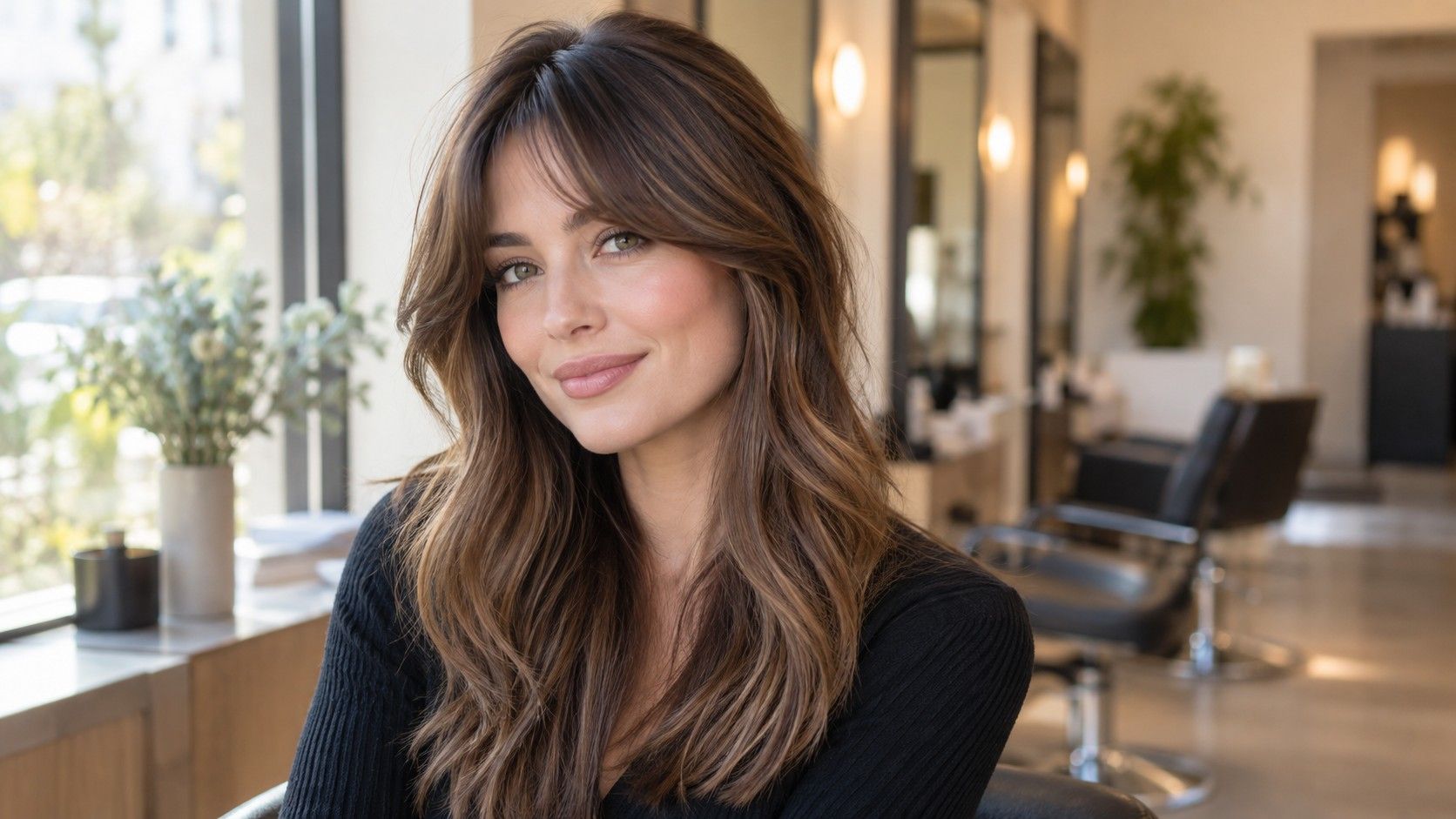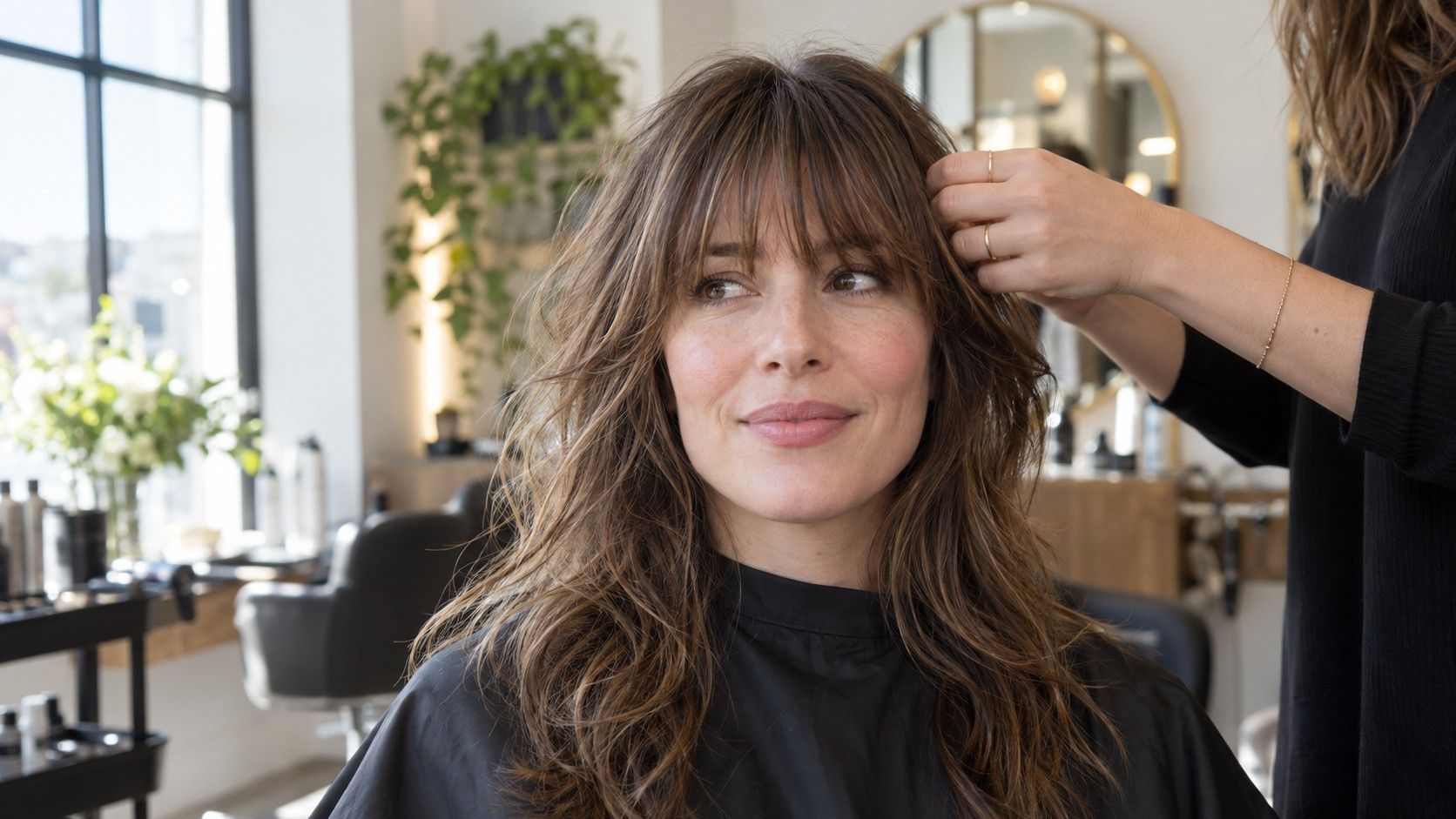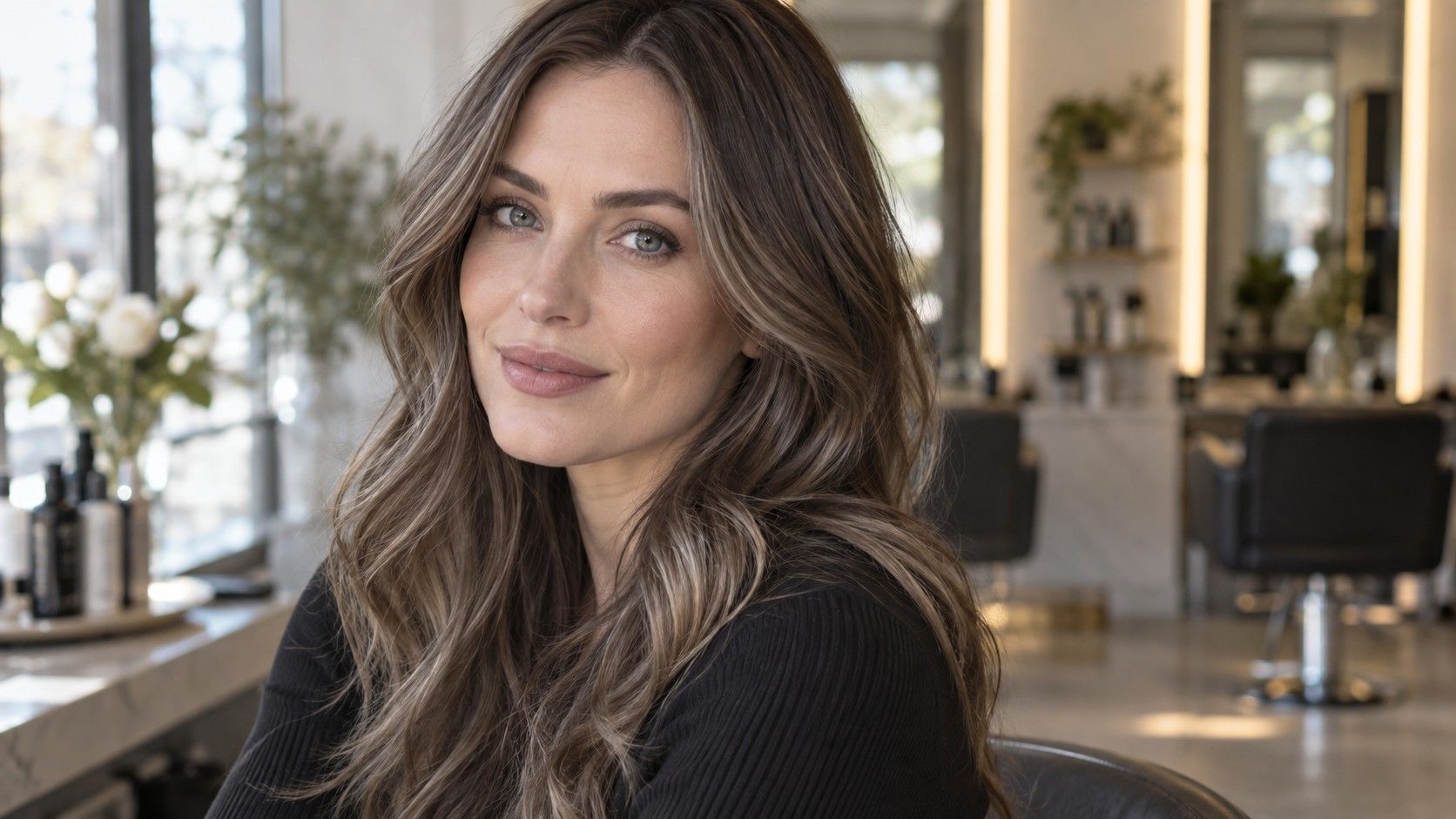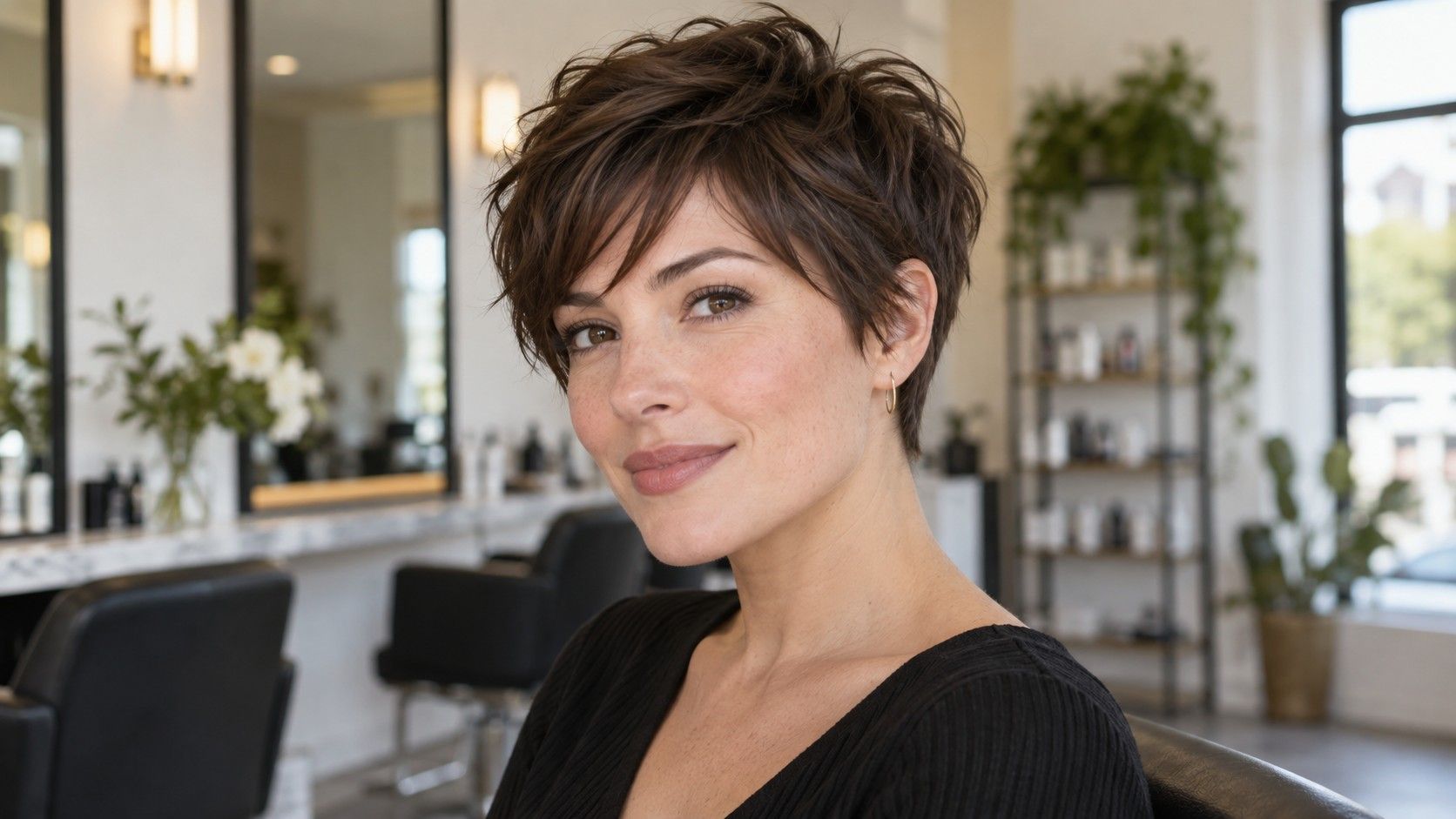
A pixie haircut does not belong to one face shape. It is a family of short cuts with different fringe lengths, crown volume, side exposure, and nape shapes. The better question is which silhouette works with your hairline, density, styling tolerance, and the features you want to bring forward. A useful consultation turns those observations into a shape you can maintain after the first exciting week.
Start with hairline and density
Before choosing a pixie, look at the front hairline and the density at the temples and crown. A strong cowlick, a widow's peak, or finer hair at one temple does not rule out a short cut. It tells the stylist where a fringe wants to split and where extra length may be needed. A cropped fringe that fights a cowlick every morning is more work than a slightly longer, directional one.
Density determines how a pixie holds its silhouette. Fine hair can look airy and elegant in a short crop, but it may need a compact shape and a little product at the roots. Dense hair can create wonderful texture, yet it can also expand at the sides if too much internal weight is left. Ask which parts will be cut close and which parts will retain length; "short everywhere" is not a detailed plan.
Face shape can be a helpful way to talk about balance, but it cannot predict whether you will enjoy a pixie. Glasses, eyebrow shape, neck length, and the way you wear makeup all change the result. If possible, pin your hair up and take a few photos from front, side, and back. The purpose is to spot preferences, not to pass a test.
Choose a pixie silhouette, not a label
A classic pixie keeps the sides and nape relatively neat with more softness on top. A bixie borrows length from a bob and gives more movement around the ears. A cropped cut can be very short through the crown, while a longer pixie may have enough length to tuck one side behind an ear. These differences affect the weekly styling time and the rate at which the cut starts to feel overgrown.
Consider where you want the widest point. Crown volume can create height and energy; fuller sides make a softer, broader outline. If your hair naturally stands up at the crown, work with it rather than trying to flatten it into a sleek shape. If it lies very flat, a texturised top may need a product routine or a slightly longer length to avoid exposing the scalp more than you expect.
Photos should match your texture. A sleek pixie on straight, dense hair will not reproduce itself on soft waves without heat styling. Bring one image for the front, one for the side, and one for the nape if that detail matters. The back is easy to ignore in a saved photo but determines how comfortable you feel between appointments.
| Pixie direction | What it emphasises | Everyday consideration |
|---|---|---|
| Long top, soft sides | Movement and flexible parting | Needs some root styling |
| Side-swept crop | Eyes and a diagonal fringe line | Works best with the natural growth direction |
| Textured short crop | Hair texture and cheekbones | Requires frequent shape maintenance |
| Bixie with longer nape | A softer transition from short to medium hair | Can become bulky if not reshaped |
Use fringe strategically
Fringe is one of the fastest ways to make a pixie feel personal. A soft side fringe creates a diagonal line and can accommodate a cowlick. A short textured fringe opens the forehead and draws attention to brows. A longer fringe gives flexibility but may fall into the eyes when you exercise or wear a hat. Choose based on your habits rather than a promise that one fringe suits a particular face shape.
Ask the stylist to show you the fringe dry before taking it shorter. Short hair springs, especially when it has a wave. A half-inch difference at the front is noticeable, and it is easier to remove more than to wait through an awkward regrowth phase. If you wear glasses, bring them to the appointment: the relationship between fringe, frames, and brows is easier to judge in person.
For a first pixie, leave the front slightly longer. It gives you a way to soften the cut, change the part, or pin it back while you learn how you feel about short hair. That small amount of flexibility often makes the transition calmer without compromising the shape.
Crown volume and nape shape change everything
The crown is where a pixie gets its profile. A high, layered crown can look lively on hair that has natural lift, but it may create a spiky silhouette on hair that grows in several directions. A flatter crown feels sleek and can make a longer fringe the main feature. Ask to see the profile in a hand mirror before the finishing products are applied; that view is more informative than the front alone.
The nape is equally important. A close, tapered nape looks clean for longer as it grows, while a softer nape can feel less severe and suits a bixie shape. If you have a low hairline or a strong growth pattern at the neck, the stylist may leave a little extra length there. A very high undercut can be dramatic, but it shows regrowth quickly and is not always the easiest route back to a bob.
Texture should be placed with restraint. Heavy razor work or aggressive thinning can make fine hair look patchy and thick hair fuzzy. Ask how the stylist plans to create separation: point-cutting, small internal layers, or product styling each produce a different finish. A pixie haircut should still look considered when you run your fingers through it.
Plan the grow-out before the first cut
Short hair changes shape quickly. Most pixies need a tidy-up every four to seven weeks, depending on the nape, fringe, and how precise the outline is. That schedule is part of the haircut decision. A longer pixie or bixie can stretch appointments further, while a very cropped cut may look different after only a month.
Ask what the next two appointments would look like. Will the stylist grow the top into a bob, soften the nape, or maintain the crop? Knowing the route makes the first cut less all-or-nothing. It is also worth asking which areas you can trim at home safely, if any. In most cases, a fringe touch-up is safer than trying to reshape the sides or crown yourself.
Growth direction matters during this stage. Hair around the ears and nape can become awkward before the top does, so a minor clean-up may preserve the overall shape without restarting the cut. If you are considering colour at the same time, remember that frequent short-cut appointments make root and tonal maintenance more visible. The best hair cut and color for me is usually a combination whose upkeep matches my calendar.
Make the salon conversation specific
Say what attracts you to a pixie: less drying time, a visible neck, a textured top, or a more graphic silhouette. Then say what worries you: an exposed forehead, ears, a flat crown, or a difficult grow-out. Those details allow the stylist to tailor the crop, fringe, and nape instead of applying a face-shape formula.
Ask for a home demonstration using a realistic amount of product. You may need only a pea-sized paste, a light mousse, or a root spray, but the direction of drying matters. Work from wet to dry in the intended direction, then let the hair cool before adding texture. A good pixie haircut feels like your hair on a more decisive day, not a style that requires recreating the salon every morning.